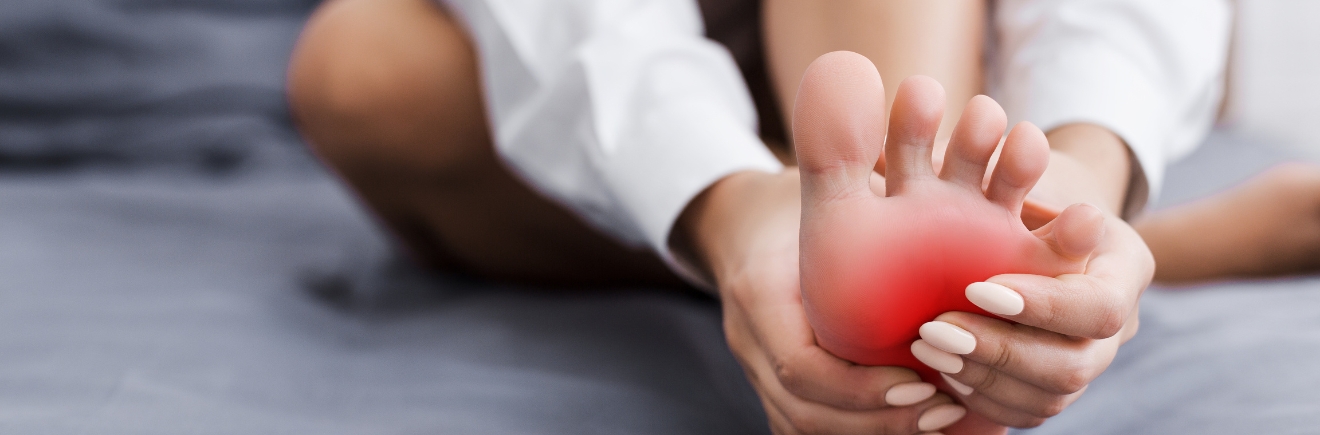
Diagnosis and treatment of foot conditions
Foot conditions include structural deformities, biomechanical imbalances, and changes in foot strike that can cause pain, instability, or functional limitations. These conditions can appear at any stage of life and evolve if not assessed early.
Through a comprehensive podiatric examination, we analyze the structure of the foot, the gait, and its relationship with the rest of the musculoskeletal system to identify the source of the problem. The goal is to define a personalized treatment that allows for more comfortable walking, prevents complications, and improves quality of life.
Biomechanical assessment
We perform a detailed analysis of the foot structure, gait, and pressure distribution to identify deformities, imbalances, and conditions that may be causing pain or functional limitation.
Personalized treatment
Treatment is tailored to each patient and may include custom orthotics, braces, specific exercises, footwear recommendations, or advanced procedures depending on the type of condition detected.
Prevention and follow-up
Early detection allows for monitoring the evolution of many foot conditions, preventing their progression, and reducing the risk of pain, injury, or compensations in other joints.
Solutions for every type of condition
The most frequent conditions include flat feet, high arches (pes cavus), hallux valgus (bunions), bone spurs, valgus or varus feet, as well as other deformities affecting alignment and foot support. These conditions can lead to strain, instability, and pain in the foot, ankle, knee, or back.
Treatment depends on the type of condition, the patient’s age, and its functional impact. In many cases, the approach is conservative, although minimally invasive surgical treatment may be considered when the deformity is advanced.
- Specialized podiatric diagnosis
- Conservative and surgical treatments
- Indicated for children and adults
- Preventive and functional approach
Frequently asked questions
We answer your questions about foot conditions
What are considered foot conditions?
They are structural or functional changes that affect the shape, alignment, or biomechanics of the foot. They include deformities such as flat feet, high arches, bunions, toe deformities, or gait issues that can cause pain or instability.
Can they cause pain in other parts of the body?
Yes. The foot is the foundation of the musculoskeletal system, and any condition can create compensations that affect the ankle, knee, hip, or back, causing discomfort that is not always initially linked to the foot.
Do foot conditions get worse over time?
Some can progress if left untreated, especially during growth in children or when there is repetitive strain. Early assessment allows for measures that slow their progression.
Do they always require surgery?
No. Most are treated conservatively through custom orthotics, braces, exercises, or changes in footwear. Surgery is considered when there is persistent pain or significant functional limitation.
Can they be detected in children?
Yes, and it is highly recommended. Childhood is a key stage for detecting structural conditions and applying treatments that can correct or guide the development of the foot.
Are orthotics the main treatment?
In many cases, yes, because they help redistribute weight, improve alignment, and reduce strain on specific areas. However, treatment always depends on the type of condition.
When should I consult a specialist?
It is advisable to visit if there is pain when walking, irregular wear on footwear, instability, visible deformities, or recurring discomfort in the foot or lower limbs.
Can they be prevented?
Not all of them, but many can be managed through podiatric check-ups, appropriate footwear, biomechanical studies, and early treatment when the first symptoms appear.