


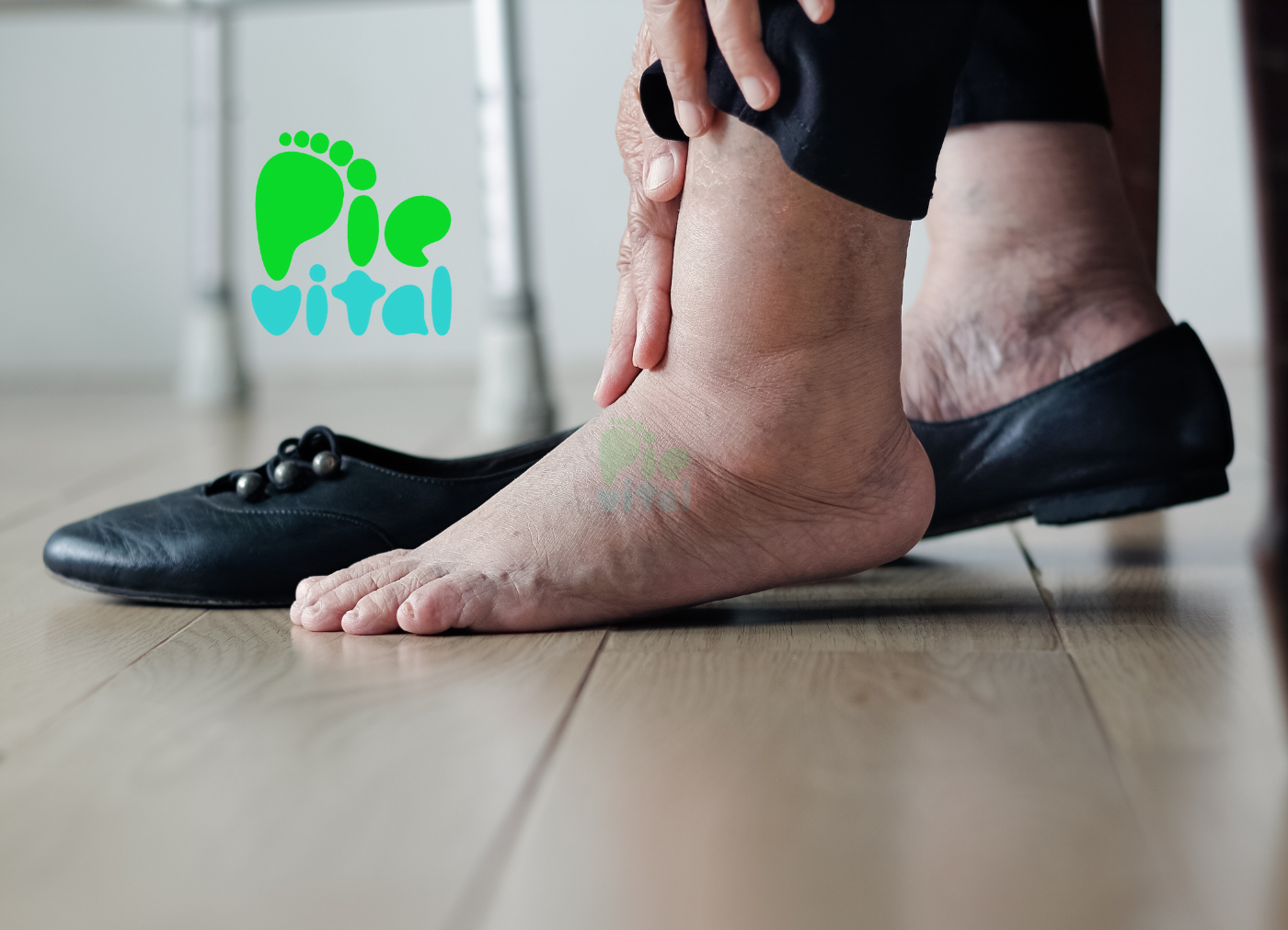
Diabetes is a disease that affects glucose levels—that is, blood sugar levels.
We know that glucose is a source of energy for the cells that make up tissues and muscles, and it is also considered fuel for our brain.
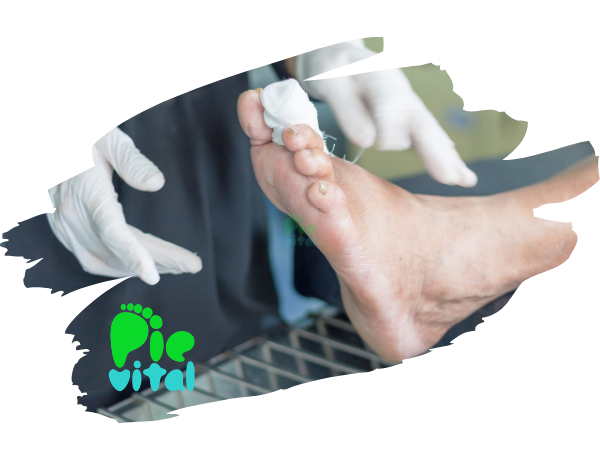
There are different types of diabetes, including type 1 and type 2. If the disease is not controlled, there are serious health risks. Among the consequences of this disease is diabetic foot, which is the leading cause of lower limb amputation.
As well as damage to blood vessels and nerves (neuropathy).
To give you a clearer idea, we will discuss what you should keep in mind if you are diabetic.
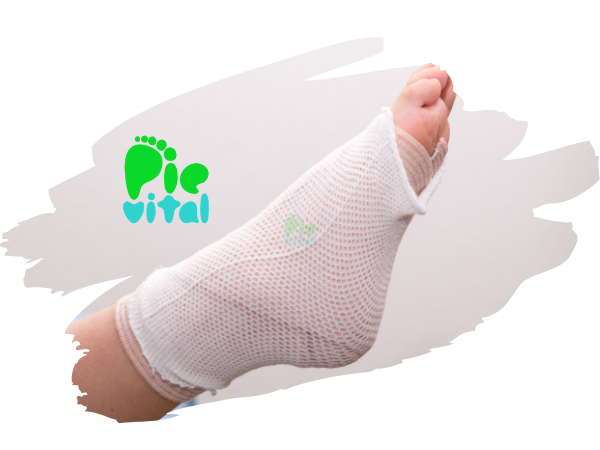
The most common diabetic foot injuries are:
- Redness in parts of the foot.
- Increased foot temperature.
- Calluses that do not improve.
- Ulcers.
- Pain.
- Reduced sensitivity.
- Swelling.
- Burning and tingling sensation.
If these injuries do not improve, a deep ulcer may develop that reaches the bone, resulting in osteomyelitis (bone infection), and if complications arise, the foot could become gangrenous.
Usually, the loss of sensation means we may not notice blisters, sores, or wounds on the feet. This makes healing difficult, increasing the risk of infections, ulcers, or gangrene that could require amputation.
The only way to prevent diabetic foot is by keeping blood sugar levels within the normal range. To do this, it is necessary to:
- Follow the treatment prescribed by your doctor—that is, take your medication, exercise, and maintain a healthy diet.
- Monitor your sugar levels using a glucose meter and test strips.
- Stay in touch with your doctor and podiatrist and consult them about any issues so they can evaluate the condition and adjust treatment if necessary. This can prevent up to 50% of amputations.
Good disease management makes a difference and reduces health risks.
Recommendations
To maintain healthy feet when you have diabetes, it is advisable to:
- Avoid cutting your own nails; see a registered podiatrist.
- Avoid walking barefoot.
- Check the water temperature before washing your feet.
- Use moisturizing creams to prevent dry feet.
- Visit a podiatrist to have your sensitivity levels evaluated and detect signs of neuropathy and arthropathy.
- Wash your feet daily.
- Check your feet at least once a day.
- Visit a podiatrist to have calluses removed and nails trimmed properly.
- Avoid wearing sandals or shoes without socks.
- Massage your feet daily to stimulate blood circulation.
If calluses or foot deformities appear, it is important to see a podiatrist so they can evaluate the injuries and recommend a personalized treatment.
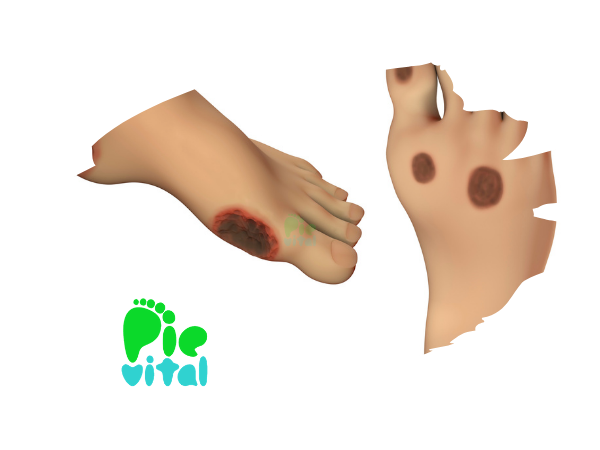
Generally, treatment involves removing infected or necrotic skin through daily dressings at specialized podiatry centers; in more complex cases, a vascular surgeon may be required.
On the other hand, there are symptoms closely linked to diabetes which, as mentioned before, vary by type. In type 2 diabetes, symptoms may initially be milder, whereas in type 1 diabetes, symptoms usually appear very quickly and are more severe.
Symptoms of type 1 and type 2 diabetes
- Increased thirst.
- Extreme hunger.
- Frequent need to urinate.
- Unexplained weight loss.
- Presence of ketones in the urine.
- Irritability and fatigue.
- Sores that heal very slowly.
- Blurred vision.
- Gum, skin, and vaginal infections.
Regarding the development of diabetes, type 1 can develop at any age but is more common in childhood or adolescence. Type 2 can also appear at any age, though it is much more common in people over 40.
Although type 1 diabetes cannot be prevented, we can help improve quality of life. Type 2 diabetes can be prevented; for this, it is important to have:
- A balanced and healthy diet. Avoid foods high in fat and calories. Choose fiber-rich foods for your consumption.
- Eat fruits and vegetables.
- Exercise and avoid a sedentary lifestyle. Ideally, do about 30 minutes of physical activity daily, such as walking, cycling, or swimming.
- Lose any extra weight, as being overweight does not help with the disease. Aim to lose at least 7% of your body weight. If you are pregnant, weight loss is not appropriate; in this case, consult your doctor.
A key formula for healthy weight loss is changing eating habits and engaging in physical activity.
If you liked this article, feel free to share it with your friends.
For any inquiries, the Pie Vital team will be happy to answer your questions at the clinic with our specialized professionals.
SOURCES: Sanitas, Webconsultas, Pixabay, Mayo Clinic.