Chiropody: comprehensive treatment for foot health
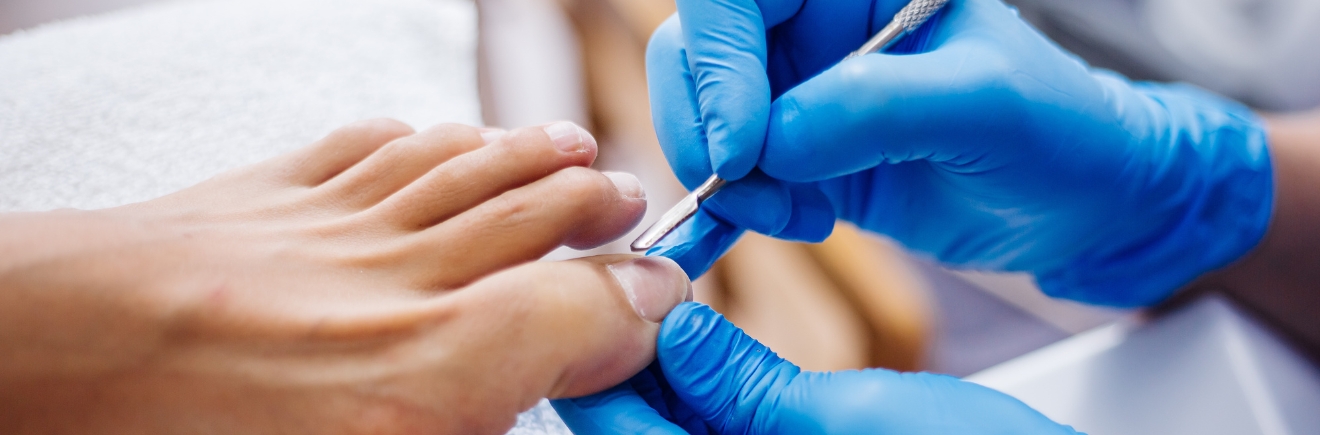
Chiropody, also known as general podiatry care, is a treatment aimed at preventing, treating, and alleviating the most common superficial alterations of the skin and nails of the foot. It includes the professional management of hard skin, calluses, corns, nail disorders, and minor lesions that can cause pain or discomfort in daily life.
This treatment helps maintain foot health, prevent complications, and improve walking comfort. Through specific techniques and individualized assessment, pressure areas are eliminated, nail alterations are corrected, and preventive measures are applied to reduce the recurrence of lesions.
Treatment of Skin Conditions
We remove hard skin, calluses, hyperkeratosis, and superficial lesions using safe techniques that reduce pressure, relieve pain, and improve the condition of the foot's skin.
Nail Care and Treatment
We treat ingrown, thickened, traumatized, or aesthetically altered nails, performing techniques that promote correct nail growth and prevent complications.
Prevention and Maintenance
Chiropody not only treats existing lesions but also helps prevent their appearance through regular check-ups, care recommendations, and control of risk factors.
Professional and Personalized Podiatric Care
Chiropody is one of the most common treatments in podiatry and forms the basis of preventive foot care. It allows for early detection of alterations, control of skin and nail lesions, and maintenance of foot health at different stages of life, especially in older people, patients with chronic pathologies, or those with excessive strain.
- Safe removal of hard skin and corns
- Treatment of altered or painful nails
- Prevention of dermatological complications
- Podiatric follow-up and maintenance
Frequently asked questions
We answer your questions about chiropody
What is chiropody?
Chiropody is the basic podiatric treatment aimed at preventing, treating, and maintaining the health of the skin and nails of the foot. It includes the removal of hard skin, corns, nail disorders, minor skin lesions, and general care that prevents discomfort, infections, and future complications.
What problems are treated in chiropody?
During a chiropody session, common alterations such as hyperkeratosis, corns, thickened nails, mild ingrown nails, heel cracks, excessive hard skin, minor skin infections, or discomfort derived from pressure and footwear are treated.
How often is chiropody recommended?
The frequency depends on the patient, their activity, age, and skin or nail type. Generally, it is recommended every 4 to 8 weeks, although in older people, diabetics, or patients with recurrent alterations, more regular follow-up may be necessary.
Does chiropody hurt?
No. It is a painless procedure when performed by a podiatrist. The treatment removes hyperkeratotic tissue without affecting healthy tissue, which helps relieve the pressure and pain caused by previous hard skin or lesions.
Does chiropody prevent major problems?
Yes. It is one of the most important preventive treatments in podiatry, as it prevents minor lesions from progressing to infections, ulcers, deformities, or chronic pain, especially in at-risk patients such as diabetics or older people.
Is it important for diabetic or elderly patients?
Especially. These patients have a higher risk of lesions, infections, and skin complications, so regular chiropody check-ups allow for early detection of problems and maintenance of skin in safe conditions.
Does chiropody permanently remove corns and hard skin?
Not permanently, because they are often related to pressure, biomechanics, or footwear. The treatment removes the lesion and relieves pain, but in many cases, it is recommended to combine it with insoles, orthotics, or changes in footwear to prevent their recurrence.
When should I book an appointment for chiropody?
It is advisable to attend when discomfort appears when walking, painful hard skin, thickened nails, cracks, skin changes, or any alteration that impedes daily comfort. It is also recommended as periodic preventive care even if there is no pain.