



Today, we want to share some useful tips to help prevent these injuries or reduce the risk as much as possible.
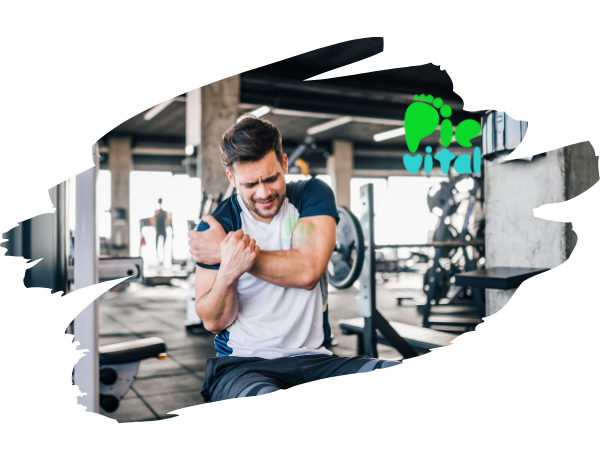
Today, we want to share some useful tips to help prevent these injuries or reduce the risk as much as possible.
Exercising or playing sports is fun and helps keep you fit, but there is always a risk of injury. To help prevent injuries, we recommend the following:
- Warm up beforehand. Before starting any physical activity, it is important to prepare both your body and mind. Warming up can provide benefits such as greater flexibility, increased blood and oxygen flow, improved concentration and relaxation. Your warm-up should include different exercises, such as dynamic stretching, light jogging and resistance exercises. Aim to warm up for around 15 minutes before beginning your main activity.
- Stretching. Stretching before and after your exercise routine can help prevent injuries, as limited flexibility may increase the risk of injury. Stretch your muscles gently and hold each stretch for around 30 seconds. You should feel a gentle stretch without pain. Pay particular attention to your calves, quadriceps, hamstrings and back.
- Use the right equipment. Start by choosing good-quality sports shoes that fit your feet properly. Make sure your footwear provides suitable support and is adapted to your individual needs. You should also use appropriate protective equipment when practising sports that involve a risk of falling, such as cycling.
- Use the correct technique. Performing physical activity with improper technique can increase the risk of injury. For example, if you exercise at a gym, ask the staff for guidance on how to use the equipment safely, especially when working with weights.
- Know your limits. Listen to your body and learn to recognise when it is time to stop exercising. If you have not exercised for a long time, it is important to start gradually and increase the intensity little by little. This can help prevent injuries such as muscle strains.
- Cool down after exercising or playing sports. Recovery after training is important because it helps your body gradually return to its resting state and prepares you for future activity. Spend around 15 minutes doing gentle movements and stretching after exercise. Although cooling down has not been proven to prevent next-day muscle soreness, it can be a useful part of a balanced recovery routine.
- Hydration. During exercise, the body loses fluids, especially when exercising in hot environments. Replacing these fluids during physical activity will help you stay hydrated and support your recovery.
- Nutrition. Eat appropriate foods after exercising to help restore your energy. Protein helps repair and rebuild muscle tissue, while carbohydrates help replenish the body’s energy stores. Consuming too few carbohydrates may contribute to fatigue, particularly during prolonged or intense physical activity.
- Cold therapy. Taking a cold bath after exercise may help with recovery. However, the evidence regarding its benefits is still limited.
- Massage. After regular physical activity, massage can help increase blood flow to the muscles and promote relaxation and mobility, supporting the body’s recovery after exercise.
- Rest. It is recommended to include at least one rest day per week to allow your body to recover from exercise.
If you enjoy exercising to stay active and maintain a healthy weight, you should be aware that there is a risk of injury if exercise is performed incorrectly or without proper planning.
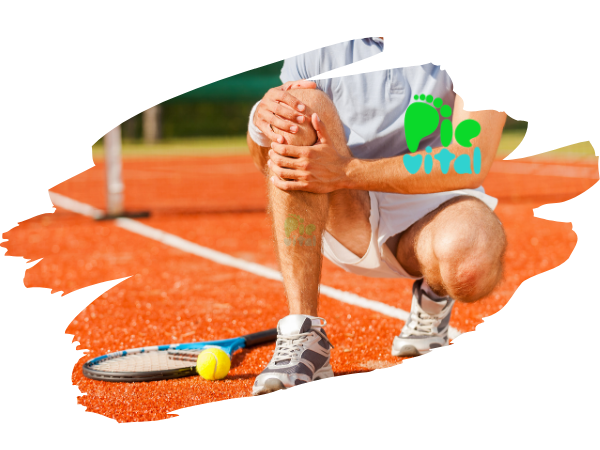
Many people exercise or play sports without being fully aware of their physical capabilities, understanding their limits or using the appropriate equipment.
These poor exercise habits can lead to injuries, including serious ones such as fractures.
The aim is to stay physically active from an early age. However, for adults, it is advisable to follow a training programme suited to their individual needs and, when necessary, seek professional guidance to help minimise the risk of injury.
Contact sports are often thought to carry a higher risk of injury, although in reality, any type of physical activity can potentially cause injuries.
Women may have a higher risk of certain types of injuries due to factors such as:
- Higher oestrogen levels (which may influence muscle mass and joint stability).
- Greater joint instability.
- Women may be more susceptible to vitamin D and calcium deficiencies.
- Wider pelvis.
How to respond correctly to an injury
- Rest, apply ice, elevate the affected area and use compression.
- Consult a podiatrist and physiotherapist for an accurate assessment and appropriate treatment.
- Respect the recovery time required for the injury and make sure your body has fully recovered before returning to activity. This helps minimise the risk of future injuries.
If you liked this article, feel free to share it with your friends.
For any inquiries, the Pie Vital team will be happy to answer your questions at the clinic with our specialized professionals.
SOURCES: bupasalud.com, tucanaldesalud.es, Pixabay.